
Multiphysics modelling
Describing heat transfer and laser–matter interactions, then comparing simulations with experimental observations.
Materials & processes
I combine modelling and experimentation to understand and optimise the manufacturing and joining of polymers and composites, particularly through laser welding and 3D printing.
Explore this expertise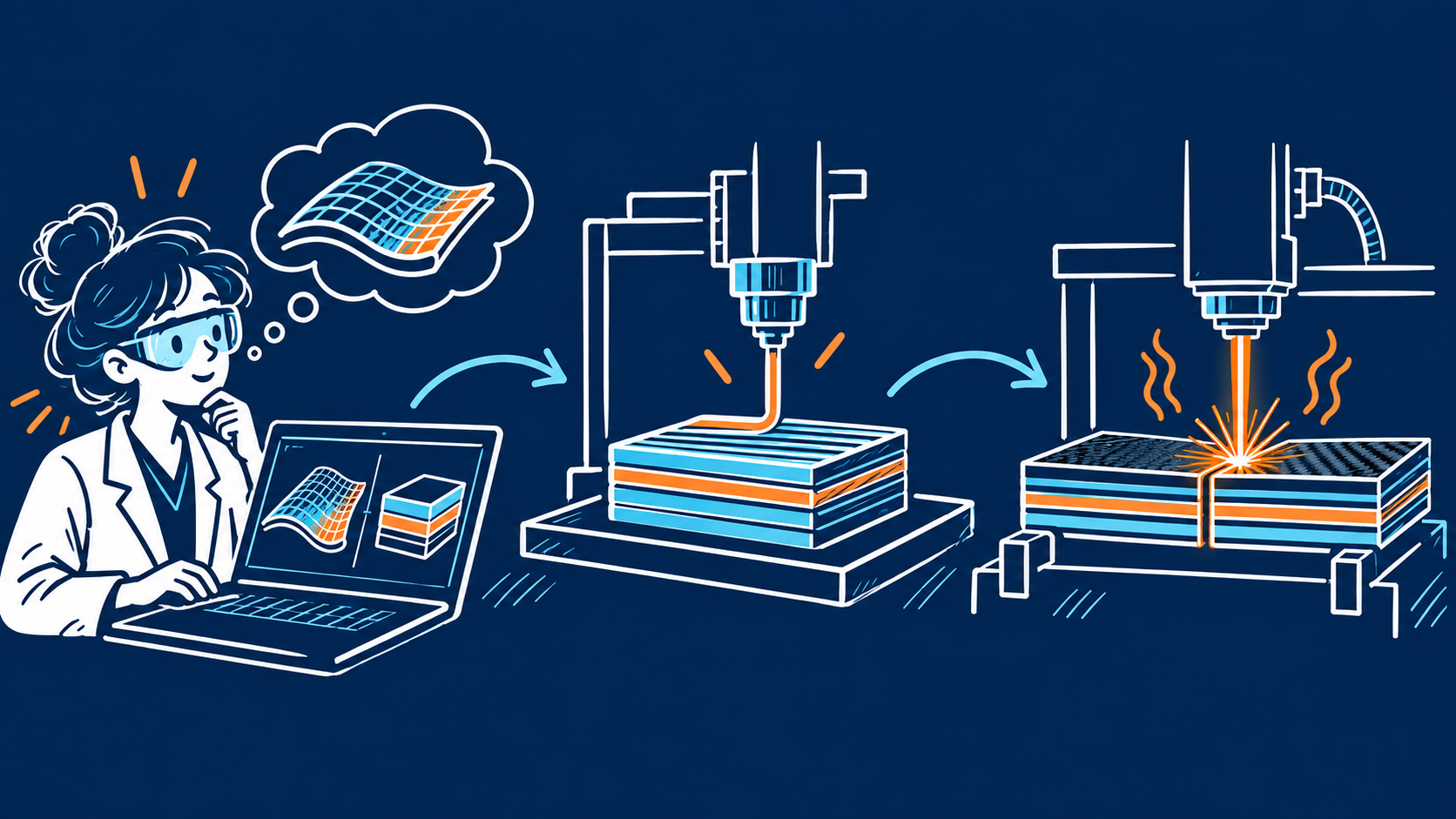
01 THERMAL SCIENCE, MATERIALS & ADVANCED PROCESSES
My research focuses on the manufacturing and joining of polymers and composites. I study interactions between thermal, optical and mechanical phenomena to understand how processing parameters influence material structure and component performance.
I combine analytical models, numerical simulations and experimental measurements, with a particular interest in laser welding, 3D printing and the hybridisation of these two processes.
Describing heat transfer and laser–matter interactions, then comparing simulations with experimental observations.
Studying the propagation, scattering and absorption of radiation to understand welded interface formation and mechanical strength.
Analysing the thermal history of printed parts, interlayer bonding and the possibilities offered by combining 3D printing and laser welding.
Linking optical and thermal properties, microstructure and mechanical performance to evaluate models and guide manufacturing decisions.
SUPERVISION & RESEARCH TRAINING
3 as main or joint supervisor
3 as co-supervisor
Postdoctoral supervision
More than 15 master’s projects supervised
Manufacturing tibial prostheses through filament winding: thermal instrumentation and consolidation assisted by an infrared source.
Defence scheduled for September 2029
Development and modelling of a process for 3D overprinting a thermoplastic polymer onto a thermoplastic-matrix composite.
Defence scheduled for December 2027
Laser welding of 3D-printed hybrid composite parts: from processing to the mechanical and thermal performance of the structure.
Defended in October 2025
Laser transmission welding of composites.
Defended on 11 December 2024
Laser Transmission Welding of Biosourced Composites.
Defended on 7 December 2022
Multiphysics modelling and simulation of fused deposition additive manufacturing.
Defended on 22 April 2021
02 TEACHING & EDUCATIONAL INNOVATION
I teach thermal science and advanced processes and design learning programmes that combine scientific knowledge, practical situations and digital tools. My aim is to support engineering students in their learning and doctoral students in developing their research projects.
From designing a MOOC to implementing blended learning, I combine instructional design, multimedia resources and learner support. Theresponsible integration of AI extends this approach, with a focus on critical thinking and the teacher’s role.
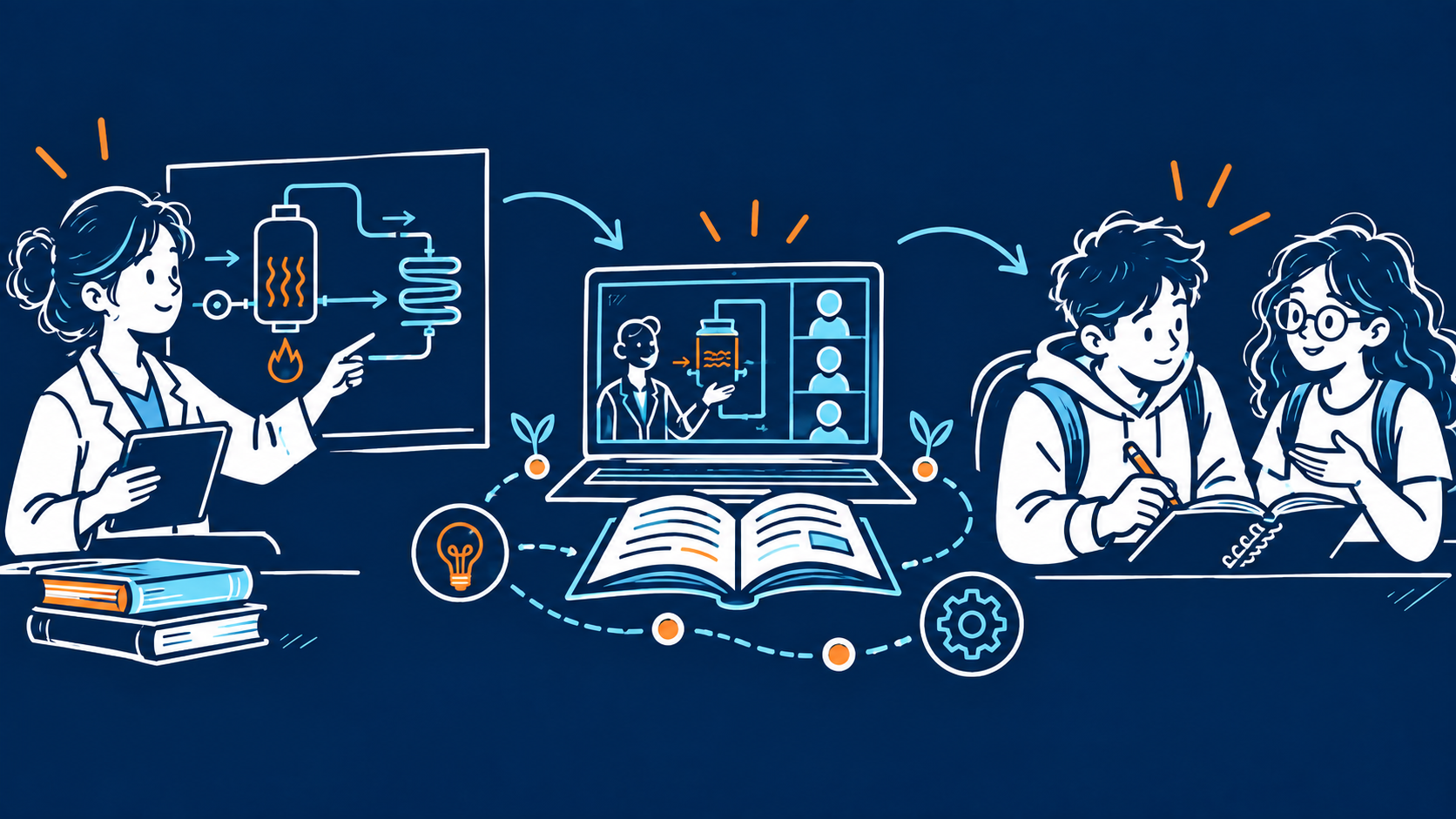
Structuring content aroundexplicit learning objectives and providing activities linked to scientific and industrial challenges.
Combining online resources, classroom sessions and tutoring to build blended programmes and support learners’ progress.
Designing short educational videos and interactive materials, and bringing teaching teams together around shared digital resources.
Helping doctoral students structure their research projects and supporting teachers as they develop their practice, particularly with AI.
03 ARTIFICIAL INTELLIGENCE & RESPONSIBLE PRACTICE
I integratepredictive and generative AI into my research and teaching to explore data, optimise polymer processing and enrich learning.
My approach is based on ethical and responsible human–AI co-intelligence. AI helps analyse, explore and produce; humans contribute expertise, verify results and retain responsibility for decisions.
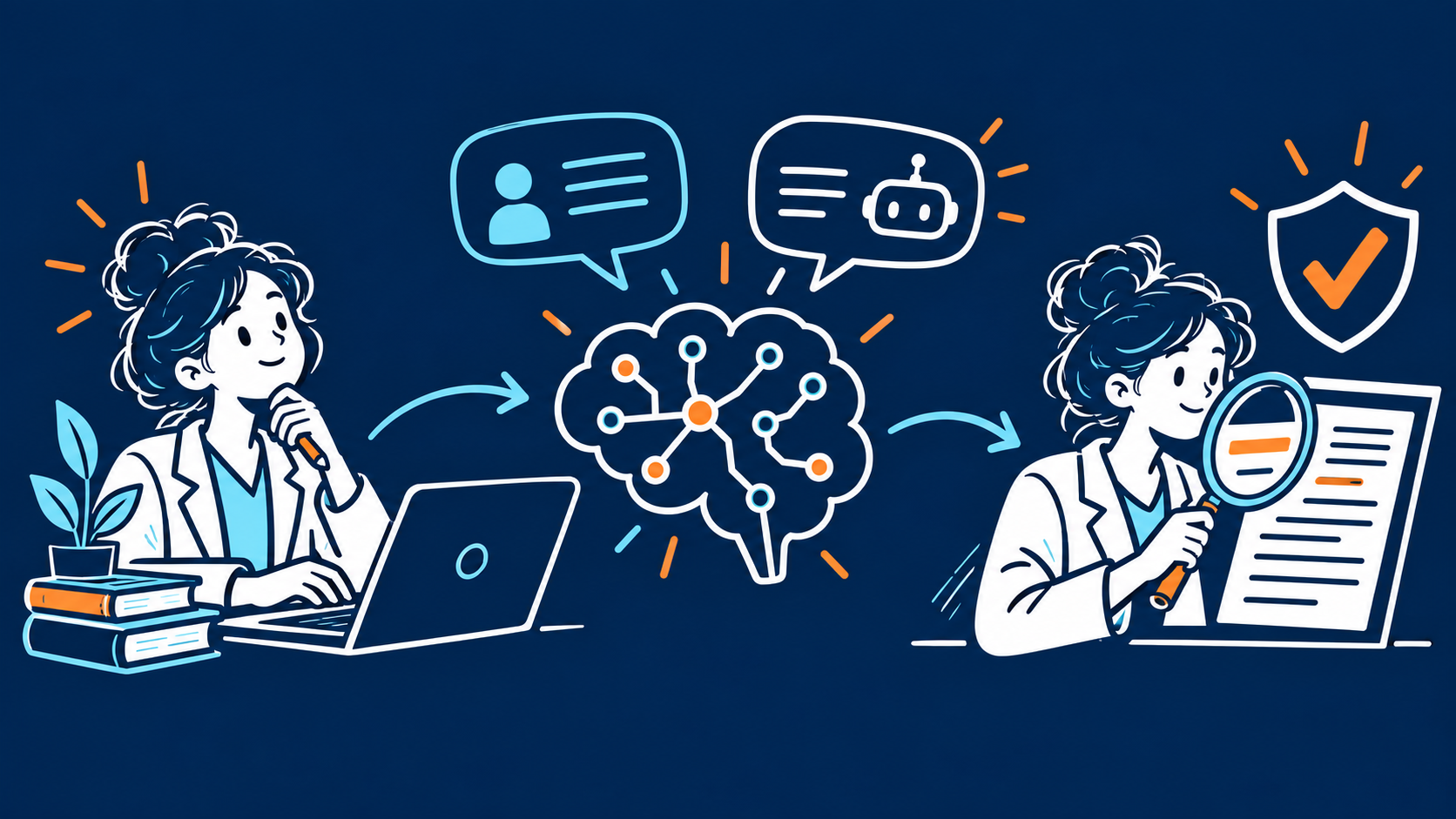
Using data and modelling to analyse processes and guide their optimisation, comparing results against physical knowledge and experimental observations.
Exploring ideas, structuring content and designing research and teaching resources, while maintaining critical verification of outputs.
Starting from the goals of the activity, identifying relevant uses and building a step-by-step approach, mindful of tool limitations, the data used and human responsibility.
Understand what AI can contribute to your work, then decide where, how and under what conditions to integrate it.
Explore my approach to integrating AI